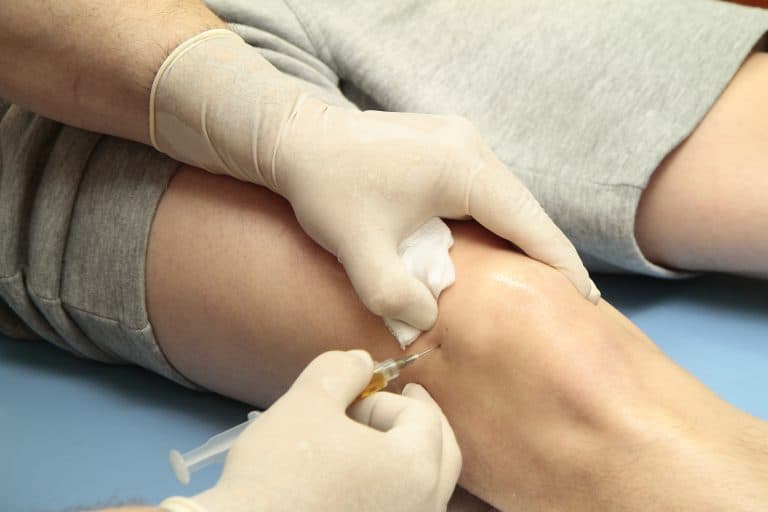



ChondroFiller’s Role in Stimulating New Cartilage: How a Collagen Matrix Supports the Body’s Own Cells in Tissue Regeneration
Understanding the Challenges of Cartilage Repair
Cartilage injuries are a frequent problem, often caused by accidents or the natural wear and tear we all experience over time. One major hurdle with cartilage damage is that this tissue doesn’t heal easily on its own. Unlike many other parts of the body, cartilage has a poor blood supply, which means it struggles to repair itself naturally. Because of this, medical experts have been searching for new treatments that help the body heal more effectively. One promising development is ChondroFiller , a therapy designed to encourage the body’s own repair mechanisms and support new cartilage growth.
The Role and Importance of Type II Cartilage
Type II cartilage is a specialised tissue that covers the ends of bones within our joints. Its role is crucial — it enables smooth movement and acts as a cushion to absorb shocks when we walk, run or jump. Damage to this cartilage can cause significant problems, leading to pain, stiffness, and even conditions like osteoarthritis over time. Traditional treatments often aim to ease symptoms or provide partial fixes, but they usually struggle to promote full regeneration of type II cartilage. Understanding these limits explains why new approaches that actively promote healing are so important.
What Is ChondroFiller? A Collagen Matrix Explained
ChondroFiller is a carefully designed collagen-based matrix used in orthopaedics to aid cartilage repair . Think of it like a scaffolding or framework made from collagen — a natural protein in the body that gives structure to tissues. This scaffold supports and guides new tissue growth where cartilage is damaged. In simple terms, ChondroFiller acts as a protective layer that encourages the body’s own cartilage cells (called chondrocytes) to grow and regenerate the affected area. It’s described as “a resorbable filler based on type I collagen and a neutralising solution, used to form a protective layer around the cartilage defect while stimulating the growth of chondrocytes and the consequent induction of cartilage regeneration .” This makes it easier for the body to rebuild healthy cartilage .
Free non-medical discussion
Not sure what to do next?
Information only · No medical advice or diagnosis.
How ChondroFiller Supports the Body’s Own Cells in Tissue Regeneration
When ChondroFiller is applied, it creates an inviting environment where the body’s own cells can move in, stick to the matrix, and start producing fresh cartilage tissue. This step-by-step process is key to tissue regeneration because it relies on the body’s natural healing powers rather than introducing foreign materials or more invasive procedures. Clinical studies have reported positive effects: “there was an improvement in pain symptoms, associated with an increase in force in the pincer and grip movements evaluated with clinical tests.” In addition, MRI scans showed “a change in the joint profile in patients subjected to infiltration, in some patients with reduction of bone oedema and periarticular effusion.” These findings suggest not just symptom relief but real structural improvements in the joint.

What Makes ChondroFiller Different from Traditional Approaches?
What really sets ChondroFiller apart is its regenerative mindset. Many traditional treatments act like glue — simply holding damaged tissue together without encouraging new growth. In contrast, ChondroFiller works more like planting seeds in fertile soil. The collagen matrix is the soil, nurturing the body’s own cells — the seeds — and providing the perfect conditions for healthy cartilage to sprout and flourish. This focus on creating a supportive environment for natural healing gives patients new hope for lasting recovery. As one study notes, “all defects could be filled successfully” using this method.
The Importance of Expert Care: Professor Paul Lee and London Cartilage Clinic
While treatments like ChondroFiller show great promise, achieving the best outcomes depends heavily on expert care. Professor Paul Lee brings extensive knowledge in orthopaedics and rehabilitation, ensuring patients receive the right diagnosis, treatment plan and ongoing support. At the London Cartilage Clinic, patients benefit from a professional, personalised service where their individual needs guide every step of their recovery. This expert oversight is essential to using innovative treatments safely and effectively, helping patients regain function and quality of life.
Conclusion and Medical Advice
In summary, ChondroFiller uses a collagen matrix to encourage new cartilage growth by supporting the body’s own cells in the regeneration process. This approach offers a promising alternative to conventional treatments by working with the body’s natural healing abilities. If you are considering this or any other cartilage repair treatment, it’s important to consult a qualified healthcare professional who can advise you based on your personal circumstances. For individual medical advice, please speak to your doctor or specialist.
References
Corain, M., Zanotti, F., Giardini, M., Gasperotti, L., Invernizzi, E., Biasi, V., & Lavagnolo, U. (2023). The Use of an Acellular Collagen Matrix ChondroFiller® Liquid for Trapeziometacarpal Osteoarthritis.
Frequently Asked Questions
- Cartilage is difficult to heal because it lacks a rich blood supply, which limits natural repair. This is why specialised treatments like those offered at London Cartilage Clinic are vital, especially when expert care from Professor Paul Lee is involved.
- ChondroFiller acts as a scaffold, supporting the body's own cells to regenerate damaged cartilage. At London Cartilage Clinic, Professor Lee uses this innovative therapy to create ideal healing conditions that aim to restore function and comfort for each patient.
- Unlike many traditional methods that simply hold tissue together, ChondroFiller provides a nurturing environment for cartilage cells to regenerate. Professor Lee at London Cartilage Clinic specialises in applying such advanced approaches for more lasting joint health solutions.
- London Cartilage Clinic champions professional, personalised care led by Professor Paul Lee, whose expertise in orthopaedics means each patient receives an accurate diagnosis, tailored treatment, and attentive follow-up for optimal recovery and joint health support.
- Professor Lee combines deep clinical experience with the latest regenerative therapies, such as ChondroFiller, ensuring that every patient at London Cartilage Clinic benefits from evidence-based treatment tailored to their individual needs and recovery goals.
Legal & Medical Disclaimer
This article is written by an independent contributor and reflects their own views and experience, not necessarily those of London Cartilage Clinic. It is provided for general information and education only and does not constitute medical advice, diagnosis, or treatment.
Always seek personalised advice from a qualified healthcare professional before making decisions about your health. London Cartilage Clinic accepts no responsibility for errors, omissions, third-party content, or any loss, damage, or injury arising from reliance on this material.
If you believe this article contains inaccurate or infringing content, please contact us at [email protected].
London Cartilage Clinic
Modern treatments, designed for lasting knee outcomes
Every treatment plan is selected to help you return to the quality of life you deserve. Our team combines up-to-date techniques with consultant-led decision making across cartilage repair, regeneration and replacement.
What your journey can look like
Step 01
Consultant-Led Assessment
Symptoms, imaging and goals reviewed in one structured appointment.
Step 02
Personalised Treatment Plan
A clear route chosen from repair, regeneration or replacement options.
Step 03
Precision Delivery
Modern techniques and specialist equipment matched to your diagnosis.
Step 04
Long-Term Knee Health
Follow-up guidance focused on durable function and quality of life.
Will the Arthrosamid work for me
PAAG-8+ Questionnaire
A bright, structured entry point for patients exploring Arthrosamid. The questionnaire helps frame suitability, expectations, and 24-month clinical benefit discussion before a fuller consultant-led review.
Designed for shared decision-making. It does not replace specialist consultation, examination, imaging review, or formal medical advice.